
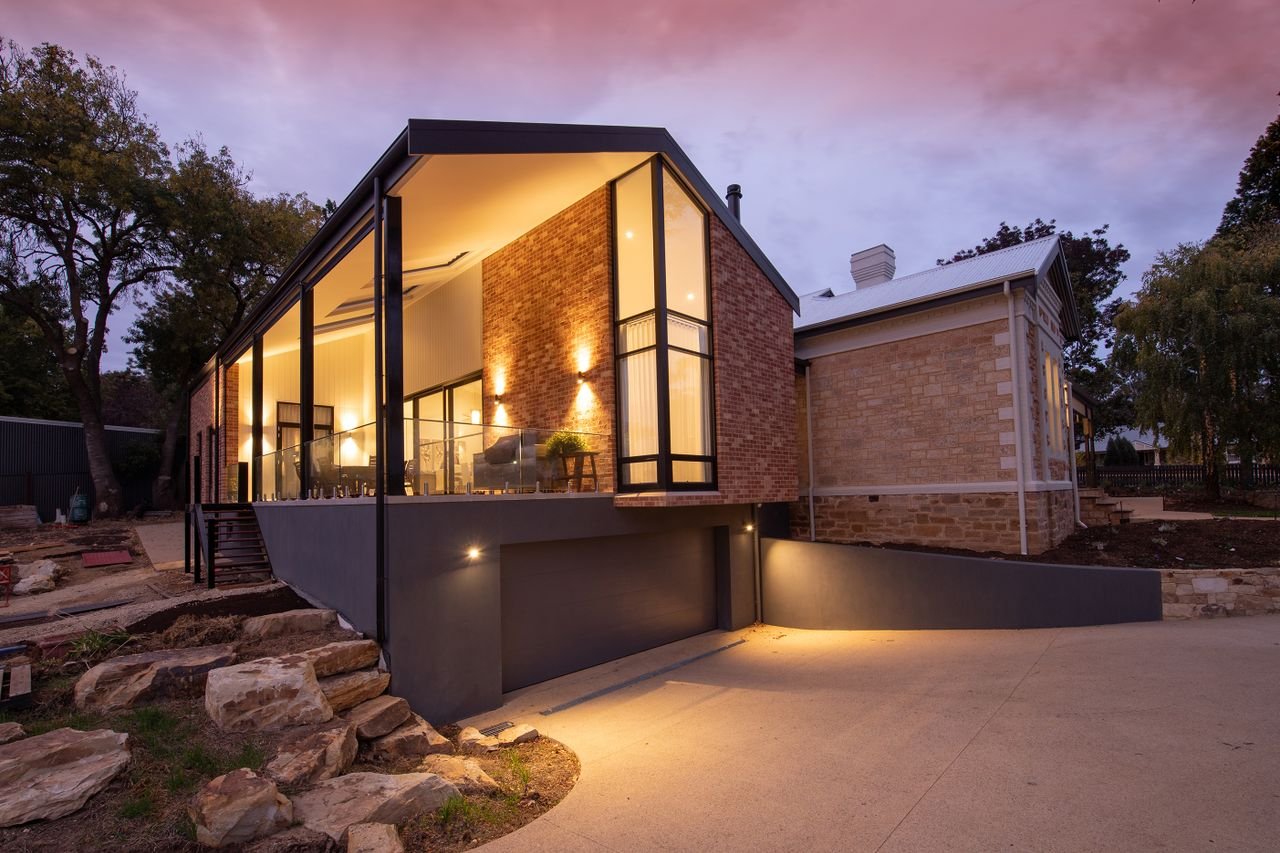
Modern interior design is not simply about buying contemporary furniture or choosing a neutral colour for the walls. A well-designed modern home is a balance between appearance, comfort, functionality, organization, and personal style.
Whether you live in a spacious house, a compact apartment, a rented home, or a newly built property, thoughtful interior design can make the space feel more comfortable and easier to use. The goal is not to make every room look like a showroom. Instead, it is to create an environment that supports the way you actually live.
A modern living room, for example, should provide comfortable seating, useful storage, appropriate lighting, and enough open space to move around. A bedroom should feel calm and organized. A kitchen should look attractive while making cooking and storage convenient. Even a small bathroom can benefit from better lighting, thoughtful colours, practical storage, and carefully selected fixtures.
The good news is that modern interior design can be adapted to almost any budget. You do not always need to renovate an entire room. Sometimes rearranging furniture, changing textiles, improving lighting, introducing artwork, or removing unnecessary clutter can make a meaningful difference.
This guide explores practical modern interior design ideas for different rooms and home sizes. You will learn how to choose colours, arrange furniture, improve lighting, add decoration without overcrowding, create better storage, make small spaces feel more functional, and approach a room makeover step by step.
[Image Suggestion: Modern living room interior with neutral colours, comfortable furniture, layered lighting, natural materials, and uncluttered styling]
What Is Modern Interior Design?
Modern interior design generally focuses on simplicity, clean visual lines, functional furniture, practical layouts, balanced decoration, and a sense of openness.
The word “modern” is sometimes used interchangeably with “contemporary,” but they are not always identical. Modern design can refer to a design approach influenced by the principles of modernism, while contemporary design is more closely associated with what feels current at a particular time.
For everyday home decorating, however, the most useful approach is to focus on the principles rather than becoming overly concerned with labels.
A modern home often includes:
- Clean and relatively simple lines
- Functional furniture
- Uncluttered surfaces
- Neutral or complementary colour palettes
- Carefully selected decorative elements
- Practical storage
- A thoughtful lighting plan
- Natural materials or natural-looking finishes
- A balance between open space and furnishings
- Comfortable areas designed around everyday activities
Modern design does not mean that a home must be completely white, empty, or highly minimalist. Wood, textured fabrics, artwork, plants, warm colours, patterned rugs, and personal objects can all work within a modern interior when they are used intentionally.
The strongest modern interiors usually feel organized rather than sterile. They leave enough visual space for important furniture and decorative features to stand out.
18 Modern Interior Design Ideas to Transform Your Home
1. Begin With a Simple, Uncluttered Layout
One of the easiest ways to give a room a more modern appearance is to reconsider what actually needs to be in it.
Furniture should support the purpose of the room rather than simply occupy available floor space.
Start by removing objects that are rarely used or that interfere with movement. Then examine the placement of larger furniture pieces.
A living room may need a sofa, chairs, coffee table, storage, and entertainment area, but it may not need several additional tables, decorative cabinets, oversized accessories, and multiple seating pieces.
An uncluttered layout works especially well in living rooms, bedrooms, home offices, and small apartments.
The benefit is both visual and practical. A room with clearer circulation can feel more organized and be easier to clean.
2. Build a Neutral Colour Foundation
Neutral colours provide a versatile foundation for modern interiors.
White, off-white, beige, cream, grey, taupe, and similar shades can create a calm background against which furniture, artwork, plants, lighting, and textiles become more noticeable.
Neutral does not mean colourless. You can introduce personality through carefully selected accent colours.
For example, a warm neutral room can be complemented with earthy greens, muted blues, terracotta tones, natural wood, or darker accents.
Before choosing wall colours, consider the amount of natural light in the room. A colour can appear different depending on the size of the room, surrounding finishes, artificial lighting, and the direction and amount of daylight.
[Image Suggestion: Elegant modern interior using warm neutral walls, natural wood furniture, textured fabrics, and subtle accent colours]
3. Create an Accent Wall
An accent wall can add visual interest without requiring every wall to have a strong colour or pattern.
You might use paint, suitable wallpaper, wood-look panels, decorative wall treatment, or another appropriate finish.
Accent walls can work particularly well behind a bed, sofa, dining table, or television, where they naturally become part of the room’s visual composition.
The key is to choose the wall deliberately. An accent treatment should support the furniture arrangement rather than compete with it.
If the room already contains patterned furniture, colourful artwork, or several decorative finishes, a simpler accent wall may be more appropriate.
4. Introduce Natural Materials
Natural materials can bring warmth and texture to modern interiors.
Wood is particularly useful because it can soften rooms dominated by smooth surfaces. It can appear in flooring, furniture, shelving, doors, wall details, or decorative accessories.
Stone and natural fibres can also introduce texture where suitable.
The goal is not to fill the room with natural materials. Combining a few carefully selected textures can be enough.
For example, a simple wooden coffee table, woven rug, fabric sofa, and greenery can make a neutral modern living room feel considerably warmer.
5. Use Statement Lighting
Lighting can become a design feature in its own right.
A pendant light above a dining table, an interesting ceiling fixture in a living room, or a sculptural bedside lamp can provide a focal point while serving a practical purpose.
When selecting statement lighting, consider the scale of the room and surrounding furniture. A very large fixture can overwhelm a small room, while a tiny fixture may disappear in a large space.
Lighting should also provide appropriate illumination for the activity taking place in the room.
6. Layer Different Types of Lighting
A single ceiling light rarely provides the flexibility needed for a modern home.
Layered lighting generally combines different lighting functions.
Ambient lighting provides general illumination throughout a room.
Task lighting is focused on activities such as reading, cooking, working, grooming, or studying.
Accent lighting highlights selected architectural or decorative features.
Decorative lighting can contribute to the appearance of the room while also providing illumination.
Natural light should also be considered. Keep windows unobstructed where possible and choose curtains or blinds according to privacy, daylight, and the room’s practical requirements.
A living room, for instance, might combine ceiling lighting, a floor lamp near a reading chair, table lamps, and subtle accent lighting.
[Image Suggestion: Layered interior lighting showing ceiling fixture, floor lamp, table lamp, and accent illumination]
7. Bring Indoor Plants Into the Design
Indoor plants can add colour, texture, and natural character to modern rooms.
They can be used in living rooms, bedrooms, kitchens, home offices, and suitable bathrooms, provided the conditions are appropriate for the particular plant.
Plant selection should consider available natural light, temperature, humidity, watering needs, available space, and the level of care you are prepared to provide.
Instead of placing many small plants everywhere, consider using a few larger plants as intentional visual elements.
A tall plant can fill an empty corner, while smaller plants can work on shelves or side tables.
8. Choose Furniture for Function First
Beautiful furniture is not necessarily useful furniture.
Before purchasing a sofa, dining table, bed, cabinet, or desk, consider how the item will be used and whether its dimensions are appropriate for the room.
Measure the available area and consider doors, windows, walkways, radiators, built-in features, and other obstacles.
A modern room benefits from furniture that looks intentional rather than furniture selected individually without considering the overall composition.
Choose pieces that provide the required comfort and function while leaving sufficient room for movement.
9. Use Open Shelving Selectively
Open shelving can display books, artwork, plants, ceramics, and other personal objects.
It can make useful items accessible while contributing to the decorative character of a room.
However, open shelves also reveal everything placed on them. If they become overcrowded, they can make a room feel visually busy.
Use a combination of practical and decorative objects and leave some empty space between groups.
Open shelving can work well in kitchens, living rooms, studies, and home offices.
10. Add Hidden Storage
Modern interiors often benefit from storage that keeps everyday clutter out of sight.
Built-in cabinets, storage beds, sideboards, media units, wardrobes, drawers, and furniture with integrated storage can help maintain a cleaner appearance.
Hidden storage is especially valuable in small homes.
Before purchasing additional storage furniture, identify what needs to be stored. Storage should solve a specific problem rather than simply provide another large object for the room.
For example, if the main problem is paperwork, a suitable cabinet or desk storage solution may be more useful than a large general-purpose cupboard.
11. Use Artwork to Add Personality
A modern interior should still feel personal.
Artwork can introduce colour, texture, subject matter, and personality without requiring a major renovation.
One large artwork can become a strong focal point above a sofa or console, while a carefully arranged group of smaller pieces can create a gallery-style display.
Pay attention to scale. A very small piece placed alone above a large sofa may appear disconnected from the furniture.
You also do not need expensive artwork to create an attractive display. Personal photography, prints, illustrations, handmade pieces, and other meaningful objects can all contribute to the character of a home.
12. Use Mirrors Strategically
Mirrors can reflect light and create additional visual depth.
They can be particularly useful in entryways, bedrooms, narrow hallways, and smaller living spaces.
Placement matters. A mirror should ideally reflect something visually useful rather than an unattractive corner or cluttered area.
A large mirror can become a design feature, while several smaller mirrors can create a more decorative arrangement.
Avoid using mirrors simply because a room is small. Consider what the mirror will reflect and whether its frame and shape complement the rest of the interior.
13. Introduce Texture Through Fabrics
A room with only smooth surfaces can feel visually flat.
Textured fabrics can add depth without requiring strong colours.
Consider rugs, curtains, cushions, throws, upholstered furniture, bedding, and other textiles.
Different textures can work together even when their colours are similar.
For example, a neutral bedroom can combine cotton bedding, a textured throw, an upholstered headboard, curtains, and a soft rug to create a layered appearance.
The key is balance. Too many contrasting patterns and textures can make a room feel busy.
14. Choose the Right Rug
A rug can visually connect furniture and define an area.
In a living room, it can help establish the seating zone. In a bedroom, it can add warmth and visual softness around the bed. In a dining room, it can help define the dining area when appropriately sized.
Rug size matters. A rug that is too small can make furniture appear disconnected.
Before buying one, measure the area and consider how furniture will sit in relation to its edges.
Also consider maintenance, household use, pets if applicable, and the amount of foot traffic.
15. Add Wooden Elements
Wood can balance the smooth surfaces often found in modern interiors.
It may be introduced through furniture, flooring, shelving, wall details, decorative accessories, or cabinetry.
The tone of the wood matters when several wooden elements are used together. They do not necessarily need to match exactly, but they should look intentionally coordinated.
Warm wood tones can add visual warmth to a neutral interior, while darker finishes can provide contrast.
Use wood as part of the overall material palette rather than allowing too many unrelated finishes to compete.
16. Use Space-Saving Furniture
Small homes require furniture that respects limited floor area.
Consider furniture that performs more than one function, such as a sofa bed, storage ottoman, nesting tables, extendable dining table, or bed with integrated storage where appropriate.
The exact choice depends on your lifestyle.
The most useful space-saving furniture is not simply compact. It solves a real problem while remaining comfortable and practical.
Avoid buying multifunctional furniture that technically performs several functions but is inconvenient to use.
17. Create a Deliberate Decorative Arrangement
Decoration works best when objects are grouped rather than scattered randomly.
A console table might contain a lamp, artwork, and a few carefully selected objects. A coffee table could use a tray to organize books and smaller decorative pieces.
Grouping creates visual relationships between objects.
Varying height can also help. A tall vase, medium-sized object, and lower book stack may create more visual interest than several items of identical height.
Leave some empty space. Decoration needs breathing room.
18. Create Balanced Furniture Arrangements
Furniture placement should consider both visual balance and movement.
A room does not necessarily need every piece of furniture pushed against a wall.
In a large living room, bringing seating slightly inward can create a more connected conversation area.
In a small room, however, preserving walking space may be more important.
Think about the room’s focal point, natural movement routes, windows, doors, television position where relevant, and the activities that will take place there.
The objective is a layout that feels natural when people actually use the room.
Modern Living Room Interior Design
The living room is often the most visible room in the home, making its design particularly important.
Begin with the sofa because it is usually one of the largest pieces of furniture.
Position it according to the room’s architecture and main focal point. This could be a television, fireplace, window, artwork, or conversation area.
A coffee table should be appropriately related to the seating arrangement without blocking movement.
A rug can visually connect the seating pieces and create a defined zone.
The television wall can be kept simple. A clean media console, appropriate storage, wall-mounted television where suitable, and limited decoration can create a modern appearance without making the wall unnecessarily complicated.
Lighting should combine general illumination with floor or table lamps and accent lighting where appropriate.
Curtains should complement the room’s colour palette while providing the privacy and light control you need.
Indoor plants can soften corners, while artwork can add personality.
The biggest living-room mistake is often overcrowding. Before adding another chair, table, cabinet, or decorative item, ask whether the room actually needs it.
[Image Suggestion: Modern living room with balanced sofa arrangement, large rug, simple TV wall, indoor plant, artwork, and layered lighting]
Modern Bedroom Interior Design
A modern bedroom should prioritize comfort, organization, and a visually calm environment.
The bed naturally becomes the main focal point, so its position should be determined early in the layout.
Where the room allows, bedside tables on both sides can create balance and provide convenient storage.
Bedside lighting should be practical for reading or nighttime use, whether through table lamps, wall-mounted fixtures, or appropriately positioned pendant lights.
Wardrobes should provide enough storage without overwhelming the room.
If the bedroom is small, consider storage solutions that use vertical space or furniture with integrated storage.
Wall colours can be neutral or gently contrasting depending on the atmosphere you want. Bedding introduces another opportunity to layer colour and texture.
Avoid filling the bedroom with unnecessary furniture. A bed, bedside storage, wardrobe, suitable lighting, and a few meaningful decorative elements may be enough.
[Image Suggestion: Modern bedroom with upholstered bed, neutral bedding, bedside lighting, wood accents, and concealed storage]
Modern Kitchen Interior Design
A modern kitchen needs to balance appearance with practical workflow.
Cabinet design has a major influence on the room’s visual character. Simple cabinet fronts can create a clean appearance, while hardware, handles, worktops, backsplash materials, and lighting contribute additional detail.
Storage should be planned around how the kitchen is used.
Frequently used items should be accessible, while less frequently used equipment can be stored in less convenient areas.
Countertop space is valuable for food preparation and everyday activities, so avoid filling every surface with decorative objects.
Lighting should include general illumination and task lighting for work areas.
The backsplash can provide a controlled opportunity to introduce colour, texture, or pattern.
Colour combinations should relate to the surrounding home. Neutral cabinetry combined with natural wood, stone-look surfaces, or a restrained accent colour can create a contemporary appearance without making the kitchen feel overly fashionable.
For any major kitchen renovation, consider plumbing, electrical work, ventilation, structural changes, and local requirements before beginning.
[Image Suggestion: Modern kitchen interior with simple cabinetry, natural wood details, practical storage, pendant lighting, and uncluttered countertops]
Modern Bathroom Design Ideas
Bathrooms benefit from simplicity because they often contain many functional elements in a relatively small area.
A restrained colour scheme can create visual continuity between walls, floor finishes, cabinetry, and fixtures.
Mirrors can be both practical and decorative. A sufficiently sized mirror above the vanity can become a central feature while also serving everyday needs.
Lighting should support grooming and general visibility. Vanity lighting should be planned carefully to provide useful illumination without creating uncomfortable glare.
Storage is particularly important in small bathrooms. Wall-mounted cabinets, vanity storage, shelves, and other suitable solutions can keep toiletries organized.
When selecting wall and floor finishes, consider cleaning requirements, moisture exposure, slip considerations where relevant, durability, and manufacturer recommendations.
For small bathrooms, avoid using oversized furniture or fixtures that consume unnecessary floor space.
[Image Suggestion: Modern bathroom décor with simple wall finishes, large mirror, practical vanity storage, and layered lighting]
Small Home Interior Design
Small homes require careful space planning rather than simply smaller versions of large-room furniture.
Start by deciding what each area needs to accomplish.
A living room might also function as a home office. A dining table might double as a workspace. A bedroom may require both sleeping and storage functions.
Multi-purpose furniture can help, but the layout should remain comfortable.
Vertical storage can take advantage of wall space without consuming as much floor area.
Mirrors can provide additional visual depth when positioned thoughtfully.
Lighter colours can help create an open visual appearance, although darker colours can also work in small spaces when used deliberately.
Decluttering is especially important. When floor space is limited, unnecessary objects become more noticeable.
Avoid buying furniture before measuring the room. A sofa that looks reasonably sized in a showroom may overwhelm a compact apartment.
[Image Suggestion: Small modern living room design with compact furniture, vertical storage, light colours, mirror, and carefully controlled décor]
Interior Design on a Budget
Modernizing a home does not always require replacing everything.
One of the most affordable starting points is rearranging furniture.
Try different layouts before buying new pieces. You may discover that the room functions better simply by changing the orientation of the sofa, moving a chair, repositioning a rug, or clearing a pathway.
Textiles can also change the appearance of a room. New cushion covers, curtains, bedding, rugs, or throws can introduce a different colour and texture without changing major furniture.
Lighting is another practical area for improvement. Replacing an outdated lampshade, adding a floor lamp, or introducing task lighting can change how a room is used and perceived.
Artwork, plants, mirrors, and carefully selected accessories can provide personality.
You can also reuse existing furniture. A suitable piece may need cleaning, refinishing, new hardware, or a different location rather than replacement.
DIY improvements can be useful for simple decorative projects, but specialized electrical, structural, plumbing, or construction work should be handled according to local requirements and appropriate professional standards.
The most important budgeting principle is to spend on the things that improve everyday function first.
Choosing Colours for Your Home
Colour selection should begin with the room rather than a trend.
Neutral Colours
Neutral shades provide flexibility and can work as a foundation for furniture and decoration.
Accent Colours
An accent colour can be introduced through a wall, artwork, cushions, rug, furniture, or accessories.
Warm and Cool Tones
Warm and cool colours create different visual impressions. The surrounding materials, natural light, and artificial lighting can influence how they appear.
Light and Dark Colours
Lighter surfaces can contribute to a brighter, more open visual appearance, particularly when combined with suitable natural or artificial light.
Dark colours can provide depth and contrast when used deliberately.
Consider Room Size and Light
Never choose a wall colour solely from a small colour sample.
Look at samples in the actual room and consider how they appear at different times of day under natural and artificial lighting.
A colour that looks perfect in a brightly lit showroom may look very different in a darker room.
Furniture Selection and Placement
Furniture should fit the room rather than force the room to fit the furniture.
Before buying anything substantial, measure the available space.
Consider:
- Room dimensions
- Door and window positions
- Walking routes
- Furniture proportions
- Intended use
- Comfort
- Storage requirements
- Existing furniture
- Overall design style
Proportion is particularly important.
A large sofa can dominate a small living room. A tiny coffee table can look lost in front of a large seating arrangement.
Try to create relationships between pieces.
A dining table should work with the surrounding chairs. A bed should relate to bedside tables and wardrobe placement. A sofa should have a logical relationship with the coffee table and other seating.
Always preserve practical circulation space.
Lighting Design for a Modern Home
Good lighting can make a room more useful and visually balanced.
Ambient Lighting
This is the general illumination of the room. Ceiling fixtures and appropriately distributed lighting commonly perform this role.
Task Lighting
Task lighting supports activities.
Examples include:
- Desk lamps for working
- Reading lamps beside seating
- Under-cabinet lighting for kitchen work areas
- Vanity lighting in bathrooms
- Bedside lamps for reading
Accent Lighting
Accent lighting highlights specific features such as artwork, shelving, architectural details, or selected decorative objects.
Natural Light
Daylight should be considered when planning furniture, window treatments, colours, and room use.
Avoid placing large furniture where it unnecessarily blocks valuable natural light.
Decorative Lighting
Decorative fixtures can contribute to the design of a room while providing illumination.
The best lighting plans usually combine several of these approaches instead of relying on one fixture for every purpose.
Home Décor Ideas Without Overdecorating
Decorative objects make a home feel personal, but too many can reduce the clarity of a modern interior.
Artwork can provide a focal point.
Mirrors can add visual depth.
Rugs can define spaces.
Curtains can introduce softness and help manage privacy and daylight.
Cushions and throws can add colour and texture.
Plants can introduce greenery.
Vases and decorative objects can add character.
Bookshelves can combine practical storage with display.
Wall panels can create architectural interest where appropriate.
The key is editing.
After decorating a room, step back and look at the whole space. If every surface contains an object, consider removing some items.
Modern design benefits from intentional emptiness.
Common Interior Design Mistakes
Mistake 1: Too Much Furniture
Why It Happens: Homeowners buy individual pieces without considering the whole room.
Better Approach: Plan the layout first and purchase furniture according to the room’s actual dimensions and purpose.
Mistake 2: Poor Lighting
Why It Happens: Lighting is treated as an afterthought.
Better Approach: Plan ambient, task, accent, and decorative lighting according to how the room will be used.
Mistake 3: Incorrect Furniture Proportions
Why It Happens: Furniture looks appropriately sized in a showroom or photograph.
Better Approach: Measure the room and consider the scale of surrounding pieces before purchasing.
Mistake 4: Too Many Colours
Why It Happens: Every attractive colour gets added to the same room.
Better Approach: Establish a primary colour foundation and introduce a limited selection of complementary accents.
Mistake 5: Insufficient Storage
Why It Happens: Decorative appearance is prioritized over everyday organization.
Better Approach: Identify storage requirements early and incorporate cabinets, shelves, drawers, or multifunctional furniture where appropriate.
Mistake 6: Ignoring the Room’s Function
Why It Happens: The room is designed according to photographs rather than lifestyle.
Better Approach: Start with what people actually do in the room.
Mistake 7: Excessive Decoration
Why It Happens: Empty surfaces can feel unfinished.
Better Approach: Use fewer, more meaningful objects and leave intentional empty space.
Mistake 8: Poor Furniture Layout
Why It Happens: Furniture is automatically pushed against walls.
Better Approach: Consider conversation areas, focal points, circulation, windows, doors, and room function.
Mistake 9: Following Trends Too Literally
Why It Happens: A particular style looks appealing online.
Better Approach: Use trends selectively and prioritize elements that suit your home and lifestyle.
Mistake 10: Buying Everything at Once
Why It Happens: Homeowners want the room to look finished immediately.
Better Approach: Build the interior gradually. This allows you to understand what the room actually needs.
Step-by-Step: How to Plan a Modern Room Makeover
1. Define the Purpose of the Room
Write down what the room needs to accomplish.
A living room might need to support relaxation, television viewing, conversation, reading, and entertaining.
2. Measure the Space
Record the room dimensions, doors, windows, built-in features, and other important elements.
3. Create a Basic Layout
Decide where major furniture pieces will go before purchasing anything.
4. Select a Design Style
Choose a general direction such as modern, minimalist, Scandinavian, Japandi, industrial, or another style that suits your preferences.
5. Choose a Colour Palette
Select the main neutral or base colour first, then decide which accent colours and materials complement it.
6. Select Essential Furniture
Prioritize pieces that serve necessary functions.
7. Plan the Lighting
Decide where general, task, accent, and decorative lighting will be useful.
8. Add Storage
Identify clutter sources and provide practical storage solutions.
9. Add Décor
Introduce artwork, plants, rugs, curtains, cushions, mirrors, books, and other personal elements gradually.
10. Review and Refine
Live with the arrangement for a while if possible.
Notice what feels inconvenient, what is rarely used, where movement is restricted, and which areas still feel empty.
Then make adjustments.
A good room does not have to be completed in one day.
Different Interior Design Styles to Consider
Modern
Modern interiors generally emphasize clean lines, functional furniture, simplicity, and carefully controlled decoration.
Best for: People who appreciate organized, uncluttered spaces.
Minimalist
Minimalism takes simplicity further by reducing unnecessary possessions and visual elements.
Best for: People who prefer calm, highly edited interiors.
Contemporary
Contemporary interiors focus on what feels current and can change as design preferences evolve.
Best for: People who enjoy current design influences and flexible styling.
Scandinavian
Scandinavian-inspired interiors often emphasize simplicity, functionality, lightness, natural-looking materials, and comfortable living.
Best for: People who want a bright, practical, welcoming environment.
Traditional
Traditional interiors draw from established decorative forms, classic furniture, patterns, and more formal arrangements.
Best for: People who appreciate timeless decorative character.
Industrial
Industrial-inspired interiors often use architectural elements, metal, wood, exposed-looking finishes, and utilitarian details.
Best for: People who enjoy stronger material contrast and an urban character.
Rustic
Rustic interiors emphasize natural textures, wood, handcrafted character, and a more relaxed visual atmosphere.
Best for: People who want warmth and a connection with natural materials.
Japandi
Japandi combines influences associated with Japanese simplicity and Scandinavian functionality, often emphasizing restrained decoration, natural materials, calm colours, and practical furniture.
Best for: People who prefer simple, warm, carefully considered interiors.
No style is universally better than another. The right choice depends on the architecture of your home, your lifestyle, your preferences, and the level of maintenance and organization you are comfortable with.
Frequently Asked Questions
How can I make my home look modern?
Start with the layout. Remove unnecessary clutter, choose appropriately sized furniture, establish a coordinated colour palette, improve lighting, and use a limited selection of decorative elements. Natural materials, artwork, plants, and practical storage can add warmth without making the space feel crowded.
What colours work best for modern interiors?
Neutral colours such as white, cream, beige, taupe, and grey can provide a flexible foundation. Accent colours can then be introduced through furniture, artwork, textiles, or selected walls. The best combination depends on the room’s natural light, existing materials, and personal preference.
How can I decorate a small living room?
Choose appropriately scaled furniture, preserve clear walking routes, use vertical storage, consider multifunctional furniture, and avoid excessive decoration. A carefully positioned mirror and a restrained colour palette can also contribute to a more open visual appearance.
How can I make a room look bigger?
Start by reducing unnecessary furniture and clutter. Use a clear layout, preserve walking space, make effective use of natural light, and consider mirrors where they make sense. Furniture proportions are often more important than simply choosing smaller decorative objects.
What is the difference between modern and contemporary interior design?
Modern design is often associated with principles and influences from modernist design, while contemporary design refers more broadly to what is current or evolving. In everyday home decorating, the terms can overlap, but they are not technically identical.
How can I decorate my home on a budget?
Start with changes that do not require major renovation. Rearrange furniture, improve lighting, update textiles, add artwork or plants, remove clutter, and reuse suitable furniture. Make larger purchases gradually instead of trying to change everything at once.
How should furniture be arranged?
Furniture should support the purpose of the room while allowing comfortable movement. Consider focal points, doors, windows, circulation routes, proportions, and relationships between pieces rather than automatically placing everything against the walls.
What type of lighting is best for a living room?
A combination of ambient, task, and accent lighting usually provides more flexibility than relying on one ceiling fixture. A living room might combine ceiling lighting with floor lamps, table lamps, reading lights, and selected accent lighting.
How can I make my bedroom feel more comfortable?
Keep the layout simple, choose a comfortable bed and appropriate bedding, use practical bedside lighting, provide sufficient storage, and limit unnecessary decoration. Textiles and natural materials can add visual warmth.
How can I make a small bathroom look modern?
Use a coordinated colour and material palette, select appropriately scaled fixtures, provide useful storage, and use good mirror and lighting placement. Avoid allowing accessories and toiletries to cover every visible surface.
Are indoor plants suitable for modern interiors?
Yes, provided the plants are appropriate for the room’s conditions. Consider natural light, temperature, watering requirements, available space, and your ability to maintain them before choosing specific plants.
How many colours should a modern room have?
There is no universal number. What matters more is that the colours relate to one another and support the overall design. A base colour combined with one or more carefully selected accents can provide a cohesive result.
Should every room in a home have the same style?
Not necessarily. Individual rooms can have different personalities, but using related colours, materials, finishes, or design principles can help the home feel connected.
How can I avoid making a modern room look too plain?
Introduce texture, artwork, plants, wood, rugs, curtains, and carefully selected accessories. Modern does not have to mean empty. The goal is controlled decoration rather than the complete absence of decoration.
What is the easiest way to start redesigning a room?
Begin with the room’s purpose and current problems. Measure the space, remove unnecessary items, create a basic furniture layout, establish a colour direction, and then make changes gradually. This approach prevents unnecessary purchases.
Final Thoughts
Modern interior design works best when appearance and everyday life are considered together.
A beautiful sofa means little if it blocks the main walking route. An attractive kitchen means less if there is insufficient storage or working space. A stylish bedroom becomes more successful when it also feels comfortable and organized.
Start with the fundamentals: understand the room, measure the space, define its purpose, and create a practical layout. From there, choose a coordinated colour palette, appropriate furniture, useful storage, and layered lighting.
Then add personality.
Artwork, plants, rugs, curtains, cushions, books, wood, mirrors, and decorative objects can make a modern home feel lived-in rather than impersonal. You do not need to purchase everything at once. In many cases, gradual improvement produces a more thoughtful result because you have time to understand what the space actually needs.
For homeowners with larger rooms, the priority may be proportion and zoning. For small homes, it may be storage and multifunctionality. For people working with limited budgets, rearranging existing furniture and improving lighting may be the best place to begin.
There is no single formula for a beautiful home. The most successful interior is one that reflects the people living in it while making everyday activities easier and more comfortable.
Modern design is ultimately about making deliberate choices. When every major element has a purpose and the room has enough space to breathe, even relatively simple materials and furnishings can create an elegant, functional, and welcoming home.